
"coffee taste change"
20000 article(s) found

Water content-Chemical change process of Coffee during roasting
Water content-chemical changes during coffee roasting high-altitude and ripe coffee beans usually last longer and have a longer lifespan. Because of the high density of raw coffee beans, if the dry environment is good, the taste of the coffee itself will not change much. Out-of-season coffee beans are not good, and old coffee is sometimes added to some coffee varieties. To put it simply, non-

The taste of coffee is ever-changing, how to taste the aroma of coffee?
Professional coffee knowledge exchange more coffee bean information please follow the coffee workshop (Wechat official account cafe_style) do you drink coffee in large gulps, or do you cool it before entering it? Drink it all in one breath? Did you know that smell is as important as taste when drinking coffee? The taste of coffee is ever-changing. Feeling the characteristics of it is the pleasure of drinking coffee. Let's experience the layer of coffee taste together.

Can coffee be mixed with different roasting degrees and varieties after roasting
After the baking degree is unified, the next step is to combine the equal proportions. Each coffee is derived from a combination of equal proportions. Forget the complicated blending ratio, and use an equal ratio combination of each bean. Because the beans are all the same ratio, the combination can be freely adjusted, and the fine-tuning of taste becomes quite simple. The advantage of equal ratio combination coffee beans lies in this. Mixed coffee with equal proportion groups

Espresso | often the extraction of a cup of unsatisfactory espresso ignores the knife head of the bean grinder
What is the cutter head of the bean grinder made of? The standard cutter head is made of quenched steel, which is hardened by rapidly cooling the outer surface of the cutter head. Rapid cooling causes the steel to form a specific crystal structure called martensite, making it harder and more fragile. This process results in the cutter head having a hardened shell and a softer core. This means that once the hardened shell is worn, the cutter head

[coffee roasting] what are the chemical changes in coffee beans during roasting?
Professional coffee knowledge exchange more coffee bean information please follow the coffee workshop (Wechat official account cafe_style) do you know what happens when roasting coffee beans? What are the chemical changes that transform raw coffee beans into coffee ripe beans with charming flavor and rich aroma? In the previous article, we saw that the structure of coffee beans plays an important role in the roasting process.

If espresso changes the ratio of powder to water, does the extraction time also change? Espresso extraction ratio
Professional coffee knowledge exchange more coffee bean information Please follow the coffee workshop (Wechat official account cafe_style) Coffee powder water is more practical than the experiment, do you want to ask about the powder / water ratio? Suppose you usually use 20 grams of powder to extract 60 grams of powder and take 30 seconds to make a powder-to-water ratio of 1:3, if I want to make a powder-to-water ratio of 1:2, it also uses 20.
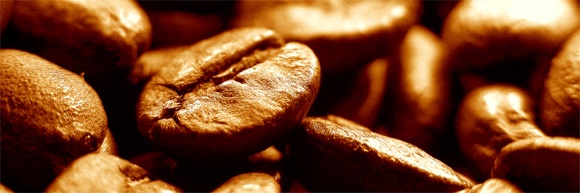
Roasting utensils and roasting process changes in the roasting process of brand coffee raw beans
Coffee roasted Coffee Roasting coffee is popular mainly because of the aroma formed after roasting and the taste when drinking. The coffee raw bean itself does not have any special taste, it is roasted to completely change and reorganize the substances inside the raw bean to form a new structure, thus bringing out the mellow flavor of the coffee. Baking tool roaster, divided into three types: direct fire type, semi-hot air straight

Water content and Chemical changes during Coffee roasting
The water content and chemical changes in the baking process of caffeine, whether new or old beans, have its unique baking curve, so it is necessary to accurately judge the bean and the time of emergence, and master the best flavor. In the process of recording the baking curve, carefully blindly test each batch of baked beans, record them, and accurately grasp the key elements, you can easily get the taste of coffee beans! Remember

Change the way to drink, make you fall in love with "black coffee"
At the beginning, you want to taste black coffee, but for those who are not used to it, there are always some obstacles to overcome. The black soup in front of you is constantly reminiscent of the bitter taste of good medicine. I don't know how bitter the taste is after a while. I suggest that people who are just learning to taste coffee have several ways to enter the world of black coffee. These methods can make you happy to experience the beauty of black coffee.
Roasting and Taste change of Coffee knowledge
Since the Arabs discovered the coffee beans, the first way to eat them is to put the whole fruit of the coffee into the mouth and chew it to get its juice. Later, they ground the coffee beans from the fruit and mixed them with animal fat as a physical supplement for caravans to trade far away. After that, around 1000 AD, it was changed to the method of boiling raw beans into soup. Until 13.
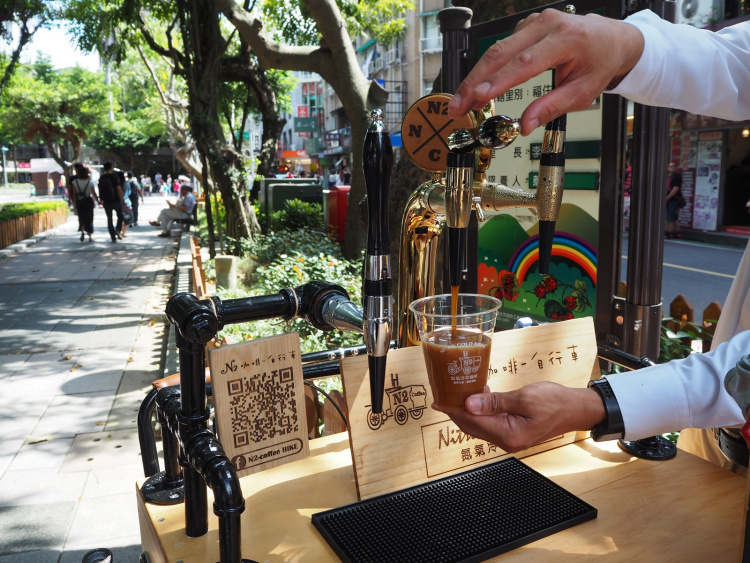
How does cold coffee, which is favored by Starbucks, change the coffee business?
Professional baristas follow the coffee shop (Wechat official account cafe_style). The summer season is crucial for any company associated with beverages. Gregorys Coffee, a cafe in New York, has been monitoring temperature changes since May, gradually changing menus. Usually 75% of the coffee in this shop is hot and 25% is cold. To the hottest

This paper introduces the common baking utensils and the changes of color and taste in different processes of roasting coffee beans.
Coffee roasted Coffee Roasting coffee is popular mainly because of the aroma formed after roasting and the taste when drinking. The coffee raw bean itself does not have any special taste, it is roasted to completely change and reorganize the substances inside the raw bean to form a new structure, thus bringing out the mellow flavor of the coffee. Baking tool roaster, divided into three types: direct fire type, semi-hot air straight

Coffee beans wither, too?
Deterioration refers to the change in which the properties of polymers are reduced and cannot be recovered. Due to the action of heat, light, ultraviolet light, oxygen, ozone and various chemicals, polymer materials will change their physical or chemical properties, such as discoloration, cracking, intensity reduction and so on. These external conditions can cause the breakage or cross-linking of the polymer main chain, resulting in structural changes and reduced properties. Baked coffee

| | Coffee bean blending method, proportion and points for attention |
The production method of comprehensive coffee mocha has a high-quality sour taste, which is not enough to have this and that taste. Indeed, mocha is called sour coffee, but it is limited to a certain degree of roasting to give it a rich sour taste and aroma, not at any degree of roasting. That is, the light baked mocha tastes like this, but the medium baked mocha tastes like that.
The effect of temperature change on the production of Coffee
In the process of learning to make coffee, we should not only learn the method of making coffee, but also master the temperature of coffee production and the grinding technology of coffee powder. Because the internal substances of coffee are more complex, if you make coffee a little carelessly, it will make the coffee very bad, so we should learn how to make a cup of coffee that tastes better and is more popular. When doing coffee tasting
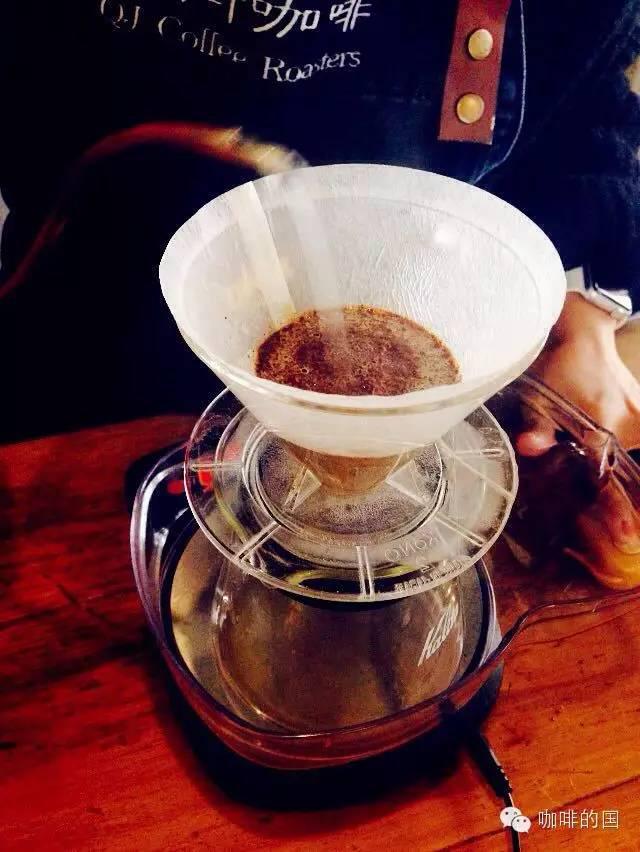
Changes in the roasting of coffee beans: why do coffee beans turn brown after baking? Why is there an aroma?
Coffee color change factors: coffee beans are light green, roasted will turn brown. This baking characteristic brown mainly comes from the brown pigment produced by oligosaccharins, amino acids and chlorogenic acids. The so-called brown pigment does not refer to a color or ingredient, but a general term for the many ingredients that make coffee different colors. Raw beans will gradually change color during baking.

Can a household espresso machine make good coffee? Taste difference between single product and Italian machine coffee
Professional barista communication Please pay attention to the coffee workshop (Wechat official account cafe_style) household espresso machine brewing good coffee? Espresso tastes too strong and bitter. It doesn't taste good without sugar and milk, right? After the guests actually tried it themselves, they changed their attitude towards espresso again. It turns out that espresso can be neither bitter nor astringent without sugar and milk, and even has a layer.

What are the benefits of home baking? Analysis of temperature change and time of Coffee roasting
Professional baristas Please follow the Coffee Workshop (official Wechat account cafe_style). Guests who come to the coffee workshop will ask the same question. "what are the benefits of baking at home? ". Every day I get in touch with all kinds of people [people who are about to enter the world of coffee] and [people who want to bake coffee out of interest], but everyone is sleepy.
Changes in coffee knowledge environment affect coffee taste
The change of temperature the higher the external temperature, the finer the coffee beans are ground; otherwise, the coffee beans are ground coarsely. In general, coffee is made in an environment of 18 to 23 degrees. The greater the humidity, the thicker the coffee beans will be ground. Compared with humidity, coffee is mainly affected by ambient temperature. Generally speaking, 70ppm (ratio of mineral content in water) is below

The characteristics of the extraction of hand-brewed coffee explain the three factors that change the taste of hand-brewed coffee
Professional coffee knowledge exchange more information about coffee beans Please follow the coffee workshop (Wechat official account cafe_style) Seven factors affecting hand-brewed coffee there are two steps in the extraction process of hand-brewed coffee. The first step is to transfer the ingredients on the surface of the coffee powder to water. The rate of transfer of these components is related to their own concentration. If the concentration of the surface components of the coffee powder is high and the coffee in the water